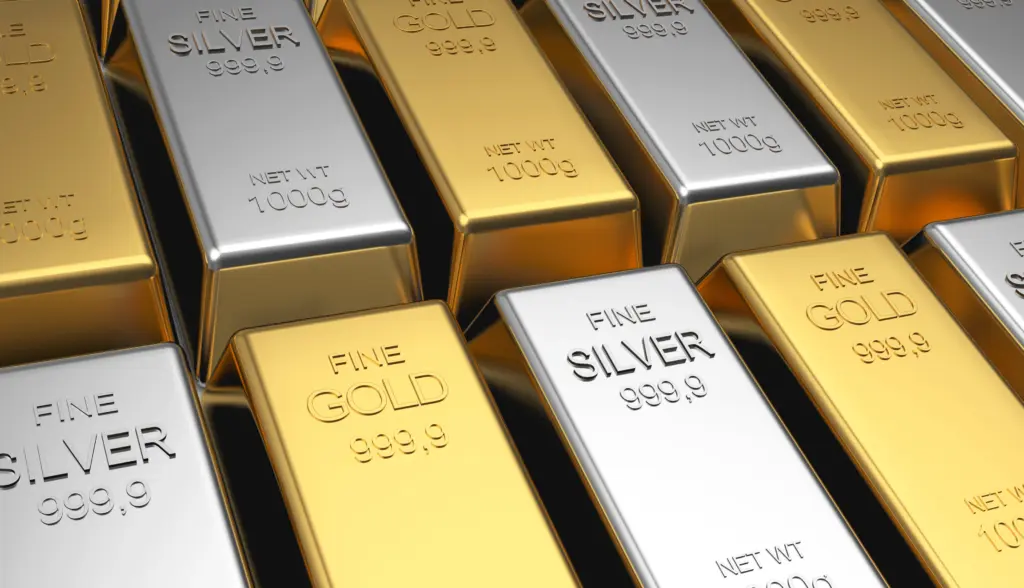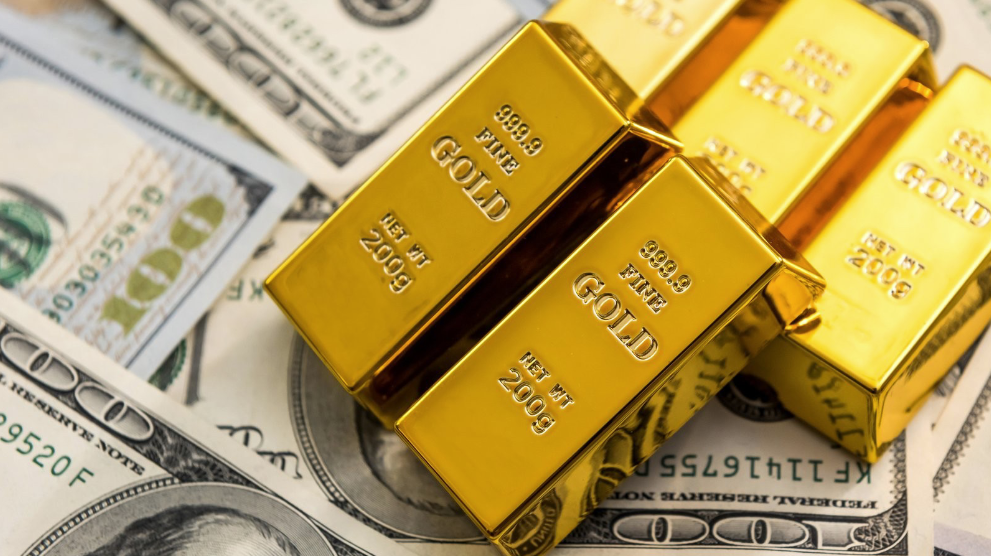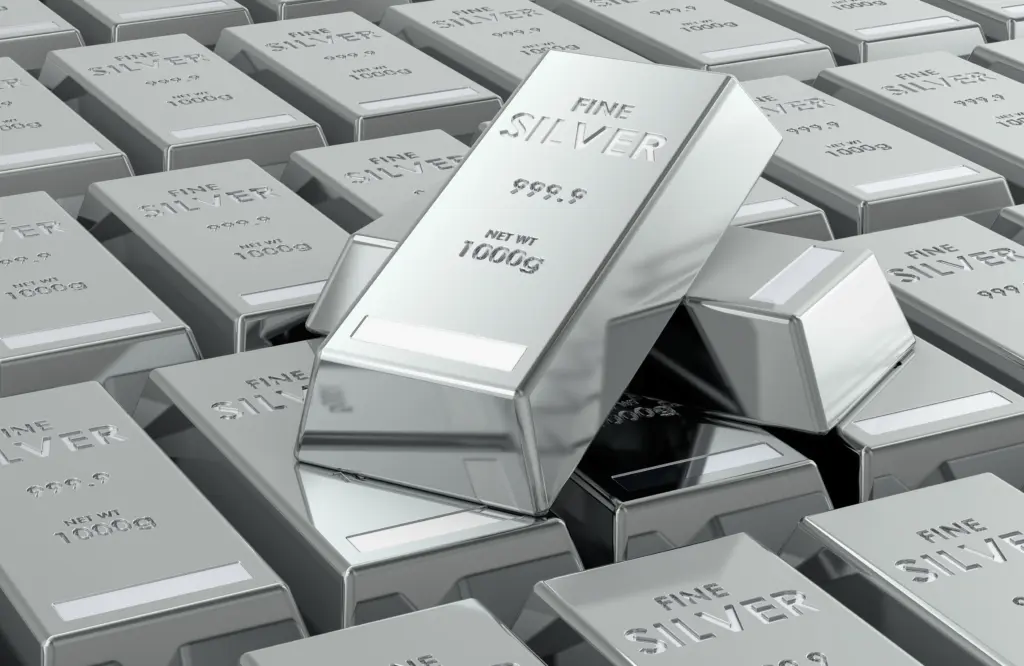

Gold vs silver is one of the most common comparisons in commodity investing. Although both are precious metals priced internationally in US dollars and neither generates earnings, dividends or cash flow, they play very different roles in the global economy. Gold is widely regarded as a monetary and defensive asset, while silver combines many of gold's characteristics with substantial industrial demand. Understanding these differences helps explain why the two metals can perform very differently under changing market conditions.
Understanding how investors value gold begins with recognising that it is fundamentally different from shares or bonds. Investors usually value companies by analysing earnings, free cash flow, dividends and returns on capital. Gold generates no profits, dividends or cash flow, yet it has remained one of the world's most important investment assets for centuries.
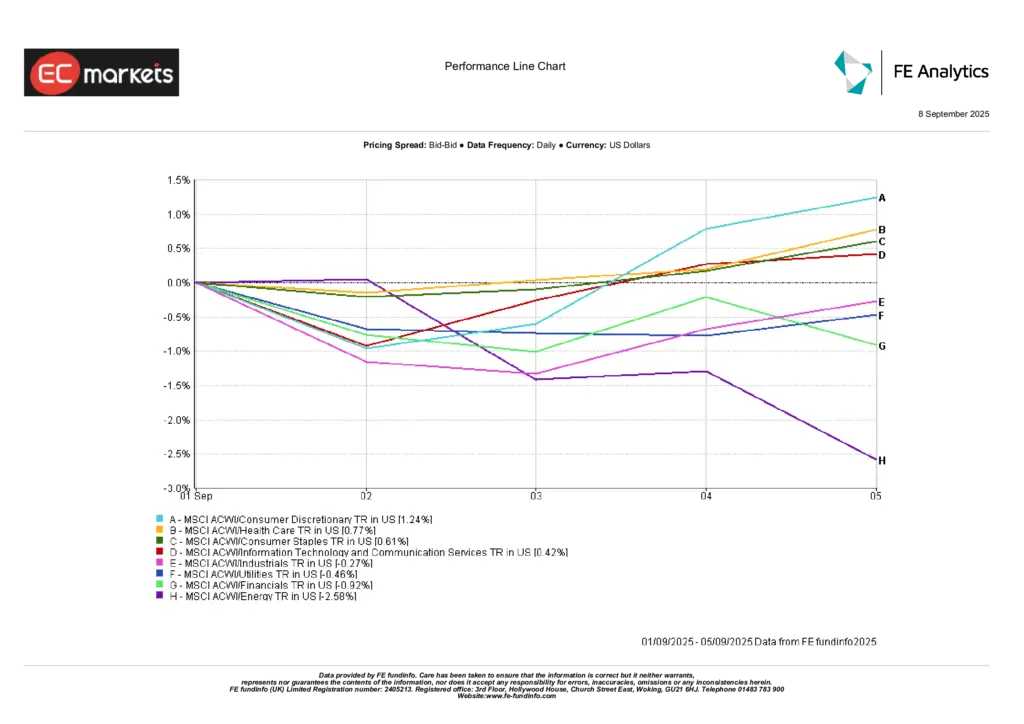
Markets spent the second week of June navigating a more challenging environment as rising energy prices, persistent inflation pressures and elevated bond yields complicated the outlook for monetary policy. While economic growth remained broadly resilient, investors became increasingly focused on whether inflation could remain higher for longer, particularly as geopolitical tensions in the Middle East continued supporting energy prices. As a result, bond markets, currencies and sector performance were largely driven by shifting interest-rate expectations rather than growth optimism alone.