Understanding how investors value gold begins with recognising that it is fundamentally different from shares or bonds. Investors usually value companies by analysing earnings, free cash flow, dividends and returns on capital. Gold generates no profits, dividends or cash flow, yet it has remained one of the world's most important investment assets for centuries.
Copper and gold are often viewed as two sides of the same market sentiment coin. While copper tends to reflect expectations for industrial activity, infrastructure spending and economic growth, gold is more commonly associated with safety, wealth preservation and defensive positioning. Comparing the two can therefore provide valuable insight into how investors view the broader economic outlook. In this article, we examine what the copper-to-gold relationship can reveal about growth expectations, risk appetite and the current market environment.
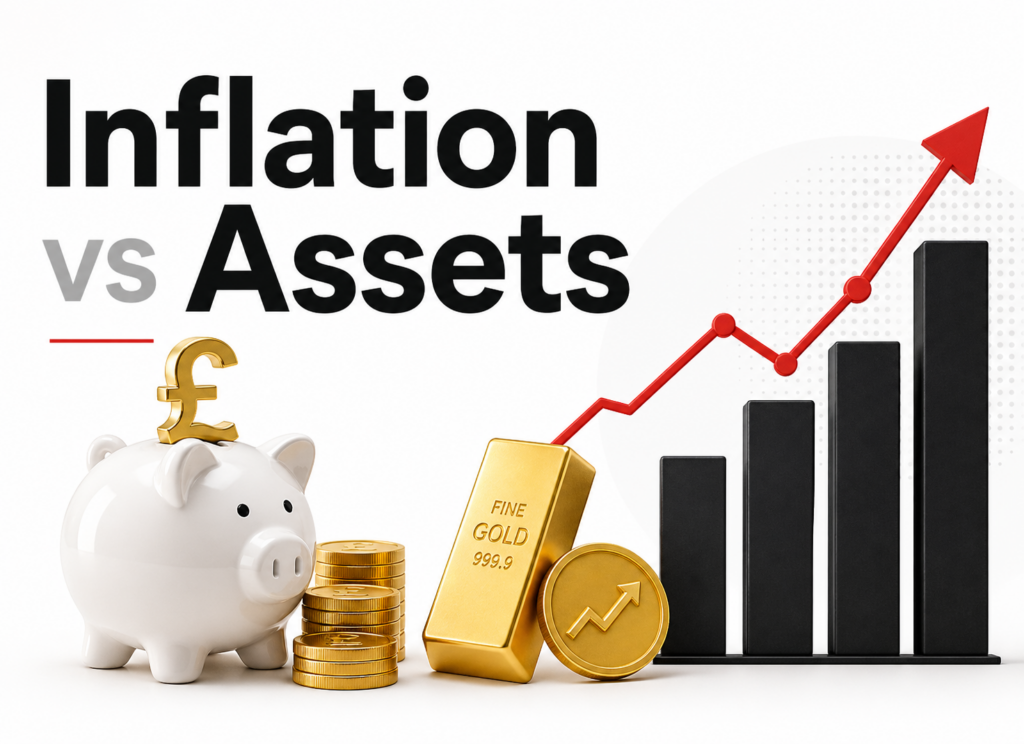
Gold has long been a go-to for those looking to hedge against inflation or simply sleep better when markets get shaky. But here’s the question: what happens when interest rates, especially real, inflation-adjusted ones start heading north?