
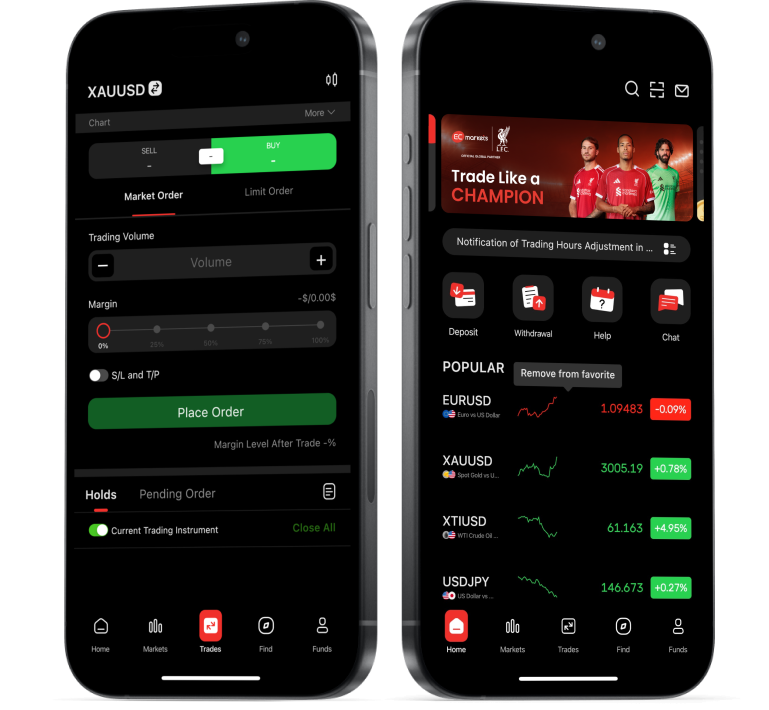
Interest-rate expectations remain one of the biggest drivers of currency markets in 2026. For EUR/USD, the focus is increasingly centred on the policy gap between the European Central Bank and the US Federal Reserve. As investors reassess inflation, growth and the timing of future rate decisions, shifts in yield differentials continue to shape both sentiment and price action across the world’s most traded currency pair.
Global trade still depends heavily on the sea. According to the United Nations Conference on Trade and Development (UNCTAD), around 80% of world trade by volume is carried by maritime transport. That is why shipping routes are far more than a logistics story. When a major trade route is disrupted, the effects can spread quickly through supply chains, freight costs and commodity prices before eventually appearing in inflation or growth data.
Markets moved toward a more constructive tone last week, as resilient growth and moderating inflation supported a gradual rotation back into risk assets.
While major US equity indices often move in the same overall direction, the types of stocks leading the market can shift noticeably over time. Traders watch these leadership changes closely because they often reveal how confident investors are about taking on risk.
Global financial markets are heavily influenced by changes in investor sentiment, often described as “risk-on” and “risk-off” behaviour. While many factors shape this, energy markets, particularly oil, play a central role.