













Economic Calendar: How to Make the Most of It


Financial markets move for a reason, and very often that reason is already scheduled on the economic calendar.
Interest rate decisions, inflation updates, employment data, and growth releases are among the strongest catalysts of volatility across forex, indices, commodities and crypto. The economic calendar brings these events together in one place, giving traders advance warning of how markets might move. Understanding how to interpret this tool is essential for trading with intention and clarity.
Why the Economic Calendar Matters
The economic calendar highlights upcoming data releases, policy decisions and major announcements that can influence stock market prices and investor sentiment. These include GDP reports, inflation readings such as CPI and PPI, employment numbers like Non‑Farm Payrolls and interest rate decisions from central banks. Traders pay attention to these releases because markets often react sharply when the data diverges from expectations.
Economic calendars also feature impact ratings that signal the potential strength of market movement, helping traders understand which events may generate significant volatility. High‑impact events are followed closely because they can shift policy expectations and reshape market sentiment.
What Traders Should Pay Attention To
Certain releases consistently carry more weight than others.
- High impact releases such as interest rate decisions, inflation data, labour market reports, GDP releases and major policy speeches are watched closely because they frequently influence expectations about economic conditions. When these results surprise, markets can reprice quickly.
- Medium‑impact releases, such as PMI surveys and consumer sentiment indicators, often reinforce or challenge existing trends.
- Low‑impact data typically moves markets only when conditions are unusually sensitive, but it can still contribute to the broader narrative. Knowing which events matter most helps traders avoid distractions and focus on meaningful catalysts.
How to Read the Economic Calendar
The economic calendar provides the previous reading, the forecast and the actual release figure. Markets often price in the forecast ahead of time, so reactions are driven by the difference between expectations and reality.
A stronger or weaker reading can trigger immediate volatility as traders reassess the outlook. This surprise factor explains why some events create sharp swings.
Traders must also pay attention to release times and adjust them to their own time zone. Missing a major announcement by even a short margin can lead to unintended exposure in a volatile environment.
How Traders Typically Approach Economic Events
Traders respond to economic releases based on their strategy and risk tolerance. Some take positions before the data is announced, aiming to benefit from expected outcomes, though this carries the risk of adverse surprises. Others engage in breakout trading, entering the market as soon as the news hits to capture early volatility.
More cautious traders wait for the initial reaction to settle and align with the clearer direction that follows. While this usually results in smaller moves, it reduces noise and offers more stability.
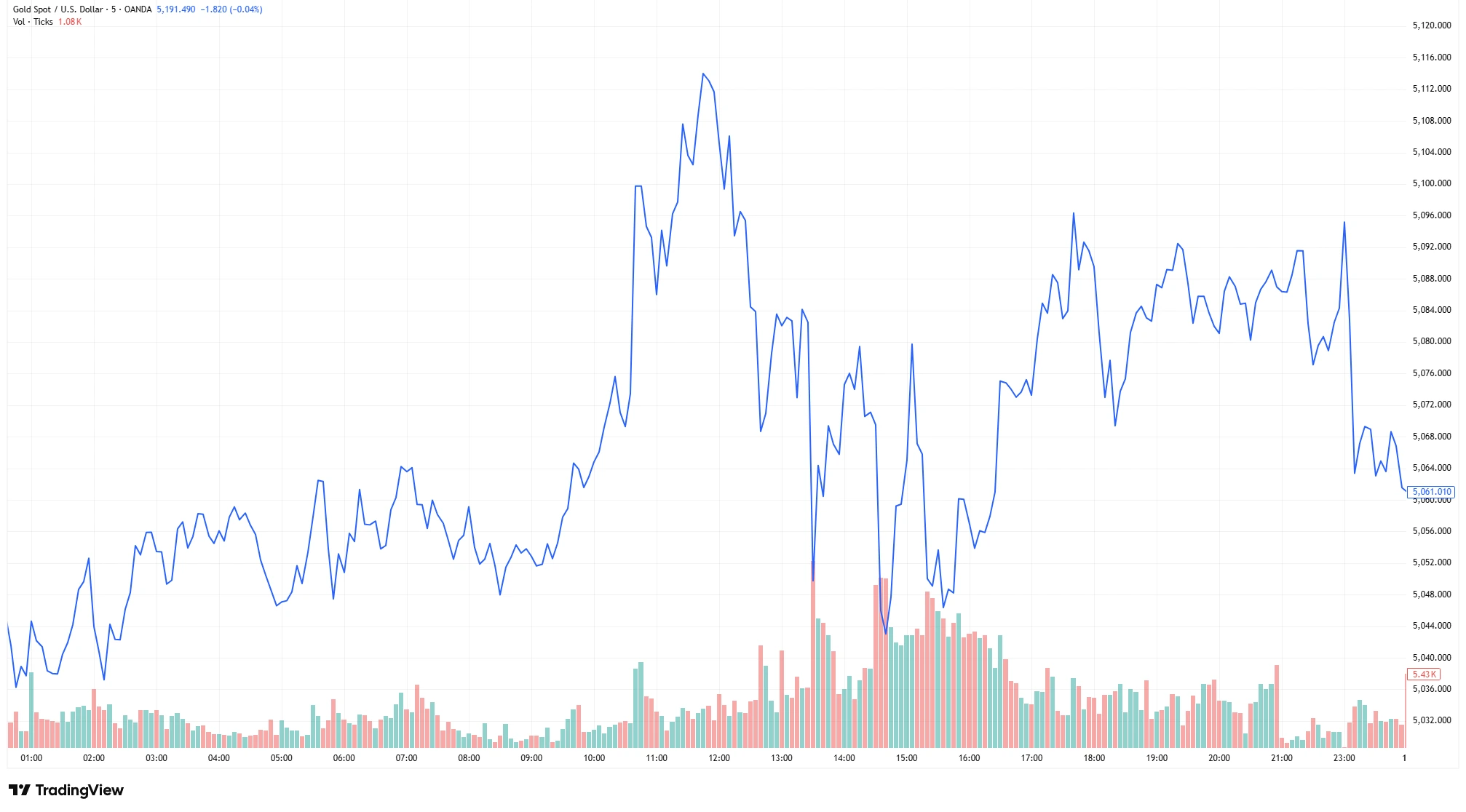
Gold Price Reaction to NFP on 11 February 2026
A Simple Method for Smarter Trading
A practical method can help traders use the economic calendar effectively. Filtering the calendar by region and currency focuses attention on relevant data.
High‑impact events such as interest rate decisions, CPI, GDP and Non‑Farm Payrolls deserve priority because of their influence. Comparing the forecast with the actual release helps gauge the strength of any surprise.
Allowing a brief period after the release gives the market time to settle before entering a position, reducing impulsive decisions and the risk of false moves.
Final Thoughts
Using the economic calendar is not about predicting the future but about preparing for moments that can influence price behaviour.
By monitoring key events, understanding expectations and approaching releases with a structured plan, traders can operate more intelligently. This leads to a more disciplined trading process built on awareness rather than reaction.
Mastering the economic calendar remains an essential step for anyone aiming to navigate the markets with confidence.