













Tinjauan Pasaran Global Suku Kedua 2026: Tren Utama, Prestasi dan Prospek


Ulasan Pasaran Global S2 2026 ini mengkaji bagaimana prestasi pasaran kewangan sepanjang suku kedua apabila inflasi yang semakin reda, pendapatan korporat yang kukuh dan perubahan jangkaan bank pusat membentuk sentimen pelabur.
Hanya sedikit suku yang menunjukkan betapa pantasnya kepimpinan pasaran boleh berubah seperti S2 2026. Selepas memulakan tahun dengan kenaikan harga tenaga, kebimbangan inflasi dan penentuan posisi defensif, sentimen pelabur berubah secara ketara apabila harga komoditi menurun, inflasi reda, dan semangat terhadap kecerdasan buatan menghidupkan semula selera risiko di seluruh pasaran global.
Ekuiti melonjak dengan kukuh, sekali lagi diterajui oleh teknologi dan perkhidmatan komunikasi, manakala pendapatan tetap mencatatkan pulangan positif apabila pelabur semakin menjangkakan persekitaran dasar monetari yang lebih akomodatif. Pasaran komoditi mengalami pembalikan, dengan minyak mencatatkan salah satu penurunan suku tahunan paling ketara dalam beberapa tahun kebelakangan ini, manakala aset selamat tradisional seperti emas juga menurun apabila pelabur beralih semula ke aset berisiko.
Walaupun ketegangan geopolitik kekal sepanjang suku ini, pasaran semakin memberi tumpuan kepada asas ekonomi yang semakin baik berbanding risiko penurunan. Hasilnya ialah lonjakan menyeluruh di seluruh pasaran maju, disokong oleh jangkaan pendapatan yang lebih kukuh dan pelaburan berterusan dalam infrastruktur digital serta AI.
Landskap Makroekonomi
Ekonomi Amerika Syarikat
Ekonomi AS kekal berdaya tahan sepanjang suku kedua walaupun terdapat ketidakpastian berterusan mengenai jangkaan dasar Rizab Persekutuan. Inflasi terus reda apabila harga tenaga yang lebih rendah membantu mengurangkan inflasi utama, manakala inflasi teras juga menunjukkan tanda-tanda penurunan secara beransur-ansur. Pasaran buruh kekal sihat, dengan kadar pengangguran kekal rendah dan pertumbuhan gaji menyokong perbelanjaan pengguna, walaupun momentum pengambilan pekerja perlahan berbanding awal tahun.
Pasaran kewangan semakin mengambil kira kemungkinan pemotongan kadar faedah oleh Rizab Persekutuan pada akhir 2026 apabila inflasi semakin hampir ke sasaran bank pusat. Pada masa yang sama, pendapatan korporat terus mengatasi jangkaan, mengukuhkan keyakinan bahawa ekonomi AS boleh mencapai pendaratan lembut tanpa memasuki kemelesetan. Gabungan aktiviti ekonomi yang berdaya tahan, dinamik inflasi yang bertambah baik dan jangkaan dasar yang semakin longgar menyediakan latar belakang yang menyokong untuk pasaran ekuiti dan pendapatan tetap.
Ekonomi Eropah
Keadaan ekonomi di seluruh Eropah bertambah baik secara sederhana sepanjang S2 apabila harga tenaga yang semakin reda membantu mengurangkan tekanan inflasi di seluruh rantau. Kos input yang lebih rendah memberi kelegaan kepada pengeluar, manakala kuasa beli isi rumah bertambah baik secara beransur-ansur apabila inflasi terus reda. Walaupun pertumbuhan ekonomi kekal agak perlahan, sentimen perniagaan bertambah kukuh apabila jangkaan terhadap dasar Bank Pusat Eropah yang lebih akomodatif meningkat.
Aktiviti pembuatan menunjukkan tanda-tanda awal penstabilan selepas beberapa suku yang lemah, manakala sektor perkhidmatan terus menjadi tunjang pertumbuhan ekonomi keseluruhan. Pasaran kewangan Eropah memberi reaksi positif, dengan jangkaan pendapatan yang bertambah baik dan keyakinan yang lebih tinggi menyokong prestasi ekuiti yang lebih kukuh dalam beberapa sektor kitaran.
Asia & Pasaran Muncul
Prestasi ekonomi di seluruh Asia dan pasaran muncul kekal tidak sekata. Jepun terus mendapat manfaat daripada pendapatan korporat yang kukuh, pembaharuan berfokuskan pemegang saham yang semakin baik dan minat pelabur asing yang berterusan, menjadikannya salah satu pasaran maju yang berprestasi terbaik sepanjang suku ini.
Di seluruh rantau yang lebih luas, permintaan untuk semikonduktor, infrastruktur kecerdasan buatan dan eksport teknologi maju terus menyokong aktiviti ekonomi di pasaran seperti Taiwan dan Korea Selatan.
China kekal sebagai kawasan utama kelemahan. Cabaran berterusan dalam sektor hartanah, penggunaan domestik yang suram dan pelaburan perniagaan yang berhati-hati terus membebankan pertumbuhan ekonomi walaupun terdapat sokongan dasar kerajaan tambahan.
Di tempat lain, pasaran muncul secara amnya mendapat manfaat daripada sentimen risiko global yang bertambah baik, walaupun prestasi kekal sangat berbeza dan semakin bergantung kepada keadaan ekonomi domestik berbanding trend serantau yang meluas.
Ulasan Pasaran Ekuiti: Pertumbuhan Kembali Menjadi Tumpuan
Pasaran ekuiti global mencatatkan pemulihan yang mengagumkan sepanjang S2, membalikkan sebahagian besar kelemahan yang dialami pada suku pertama. Keyakinan pelabur bertambah baik apabila tekanan inflasi reda, kebimbangan kemelesetan berkurangan dan pendapatan korporat secara amnya mengatasi jangkaan.
Kenaikan ini mencerminkan data inflasi yang bertambah baik, pendapatan korporat yang berdaya tahan dan keyakinan yang semakin meningkat bahawa bank pusat utama semakin menghampiri penghujung kitaran pengetatan mereka.
Amerika Syarikat
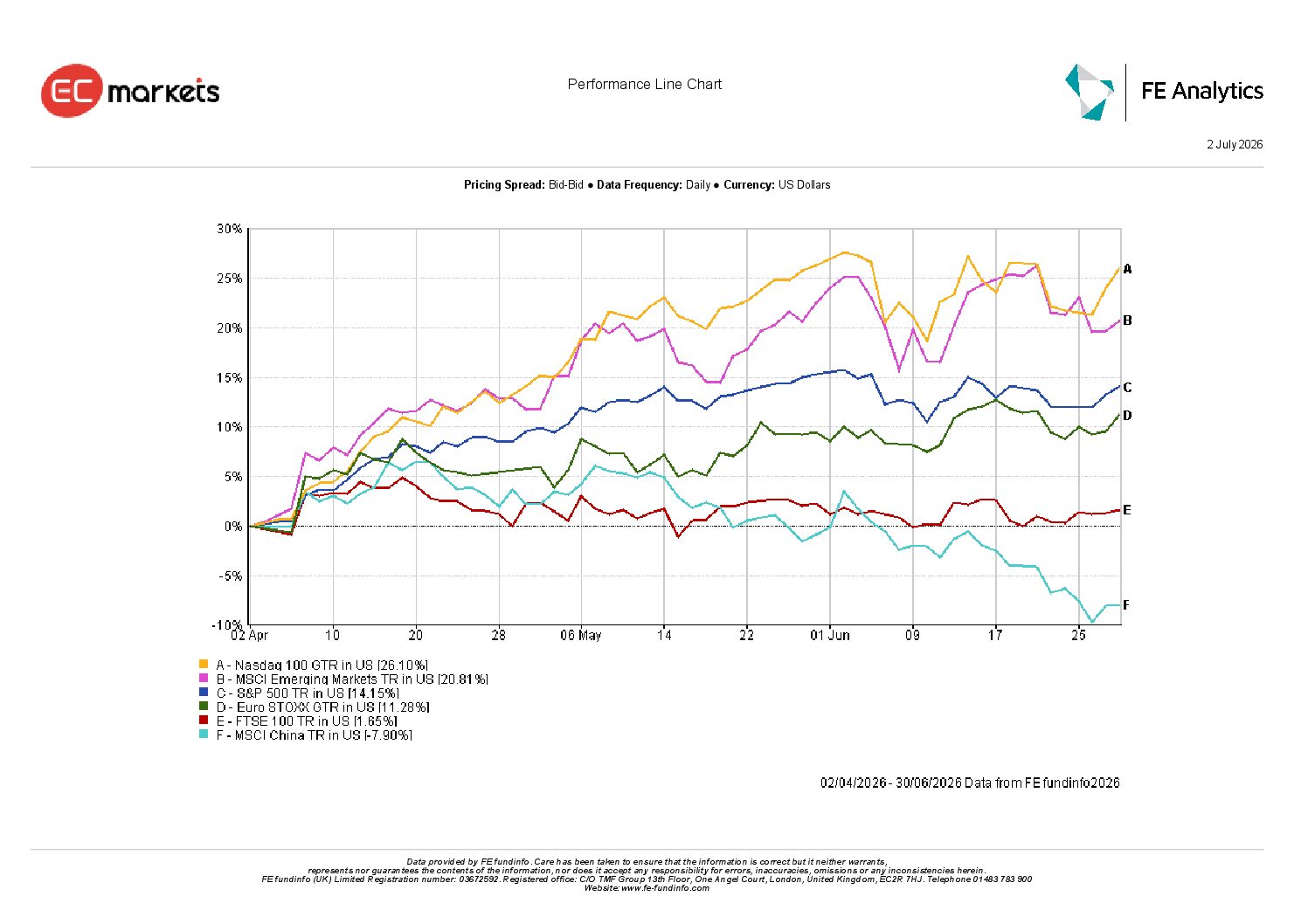
Pasaran AS menerajui prestasi global, dengan Nasdaq 100 melonjak 26.10%, didorong oleh kekuatan baharu dalam syarikat teknologi mega cap dan optimisme berterusan terhadap kecerdasan buatan. S&P 500 meningkat 14.15%, disokong oleh penyertaan meluas dalam sektor pertumbuhan.
Eropah
Ekuiti Eropah juga mencatatkan pulangan yang kukuh. Indeks Euro STOXX meningkat 11.28%, mendapat manfaat daripada data ekonomi yang bertambah baik dan minat pelabur yang diperbaharui dalam sektor kitaran, manakala FTSE 100 mencatatkan kenaikan lebih sederhana sebanyak 1.65%, mencerminkan pendedahan lebih besar kepada syarikat berkaitan komoditi yang bergelut apabila harga minyak menurun.
Asia & Pasaran Muncul
Prestasi serantau menonjolkan perbezaan yang semakin ketara dalam Asia. MSCI China merosot 7.90%, melanjutkan tempoh prestasi lemah apabila pelabur kekal berhati-hati terhadap cabaran pertumbuhan struktur negara tersebut.
Suku ini juga menonjolkan penyertaan pasaran yang semakin meluas melebihi syarikat teknologi terbesar, dengan sektor perindustrian dan kewangan turut menyumbang secara bermakna kepada kenaikan pasaran keseluruhan.
Prestasi Pasaran Ekuiti Global, S2 2026
Rotasi Sektor dan Tema Pasaran
Teknologi Kembali Mendahului
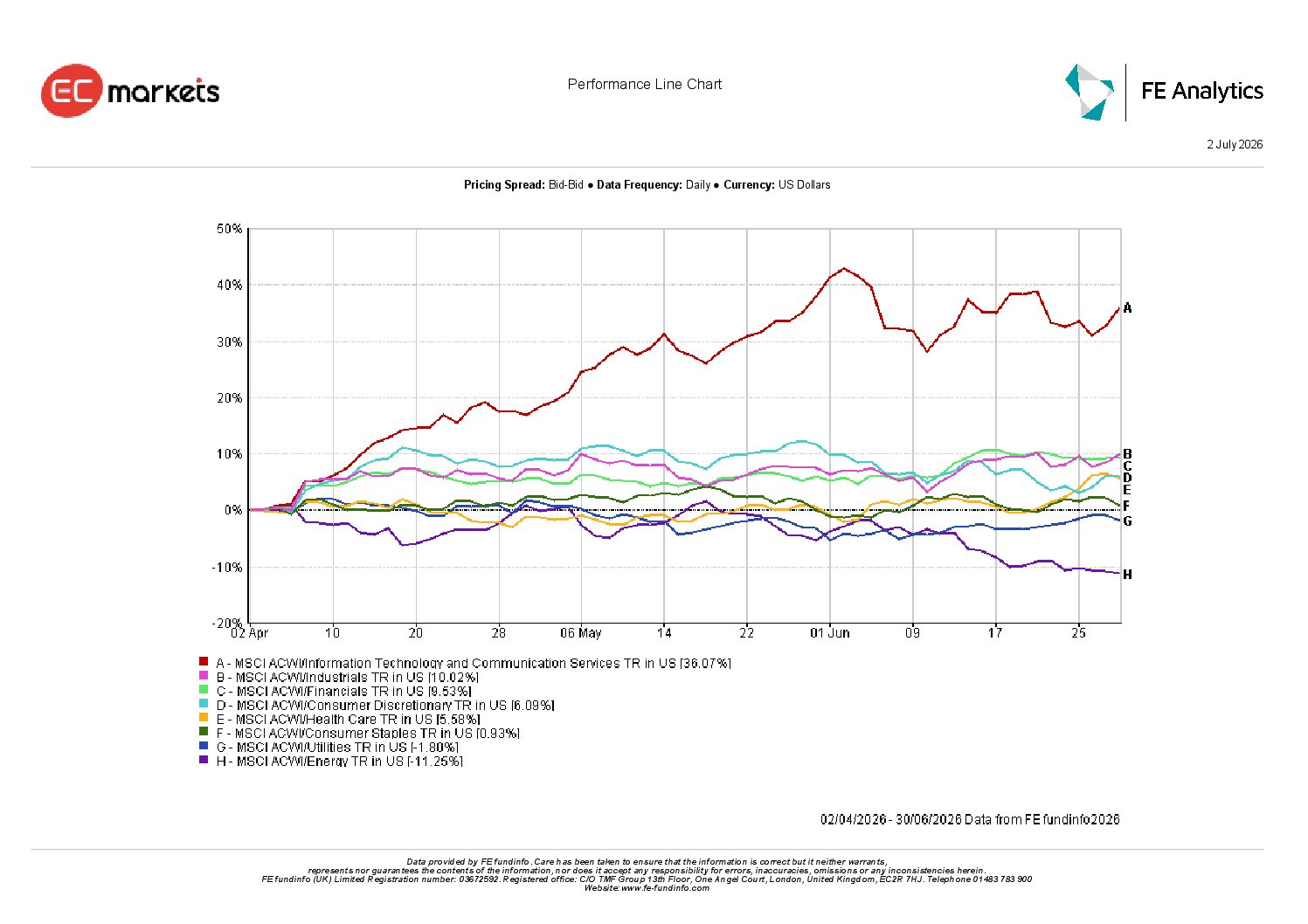
Teknologi sekali lagi menjadi peneraju utama pasaran sepanjang S2. Sektor Teknologi Maklumat dan Perkhidmatan Komunikasi MSCI ACWI mencatatkan pulangan luar biasa sebanyak 36.07%, mencerminkan pelaburan berterusan dalam infrastruktur kecerdasan buatan, pengkomputeran awan dan teknologi semikonduktor.
Pendapatan kukuh daripada beberapa syarikat teknologi besar mengukuhkan keyakinan bahawa pelaburan dipacu AI kekal sebagai salah satu tema pertumbuhan struktur terpenting pasaran.
Perindustrian dan Kewangan Terus Berprestasi
Sektor perindustrian meningkat 10.02% apabila keyakinan perniagaan yang bertambah baik dan pelaburan infrastruktur yang berterusan menyokong aktiviti pembuatan global.
Sektor kewangan juga meningkat 9.53%, mendapat manfaat daripada keadaan ekonomi yang berdaya tahan, kualiti kredit yang sihat dan jangkaan bahawa kadar faedah yang lebih rendah boleh menyokong aktiviti pinjaman tanpa menjejaskan keuntungan secara ketara. Syarikat barangan pengguna tidak tahan lama melonjak semula 6.09% apabila keyakinan isi rumah yang bertambah baik menggalakkan perbelanjaan yang lebih kukuh.
Tenaga Serahkan Semula Keuntungan S1
Pembalikan paling ketara pada suku ini berlaku dalam sektor tenaga. Selepas mencatatkan keuntungan luar biasa pada S1, tenaga merosot 11.25% apabila harga minyak jatuh mendadak berikutan keadaan bekalan yang bertambah baik dan kebimbangan geopolitik yang berkurangan.
Sektor utiliti juga berprestasi lemah, manakala barangan pengguna asas hanya mencatatkan keuntungan sederhana apabila pelabur semakin memilih peluang pertumbuhan tinggi berbanding sektor defensif tradisional.
Prestasi Sektor Ekuiti Global, S2 2026
Pendapatan Tetap: Kestabilan Kembali
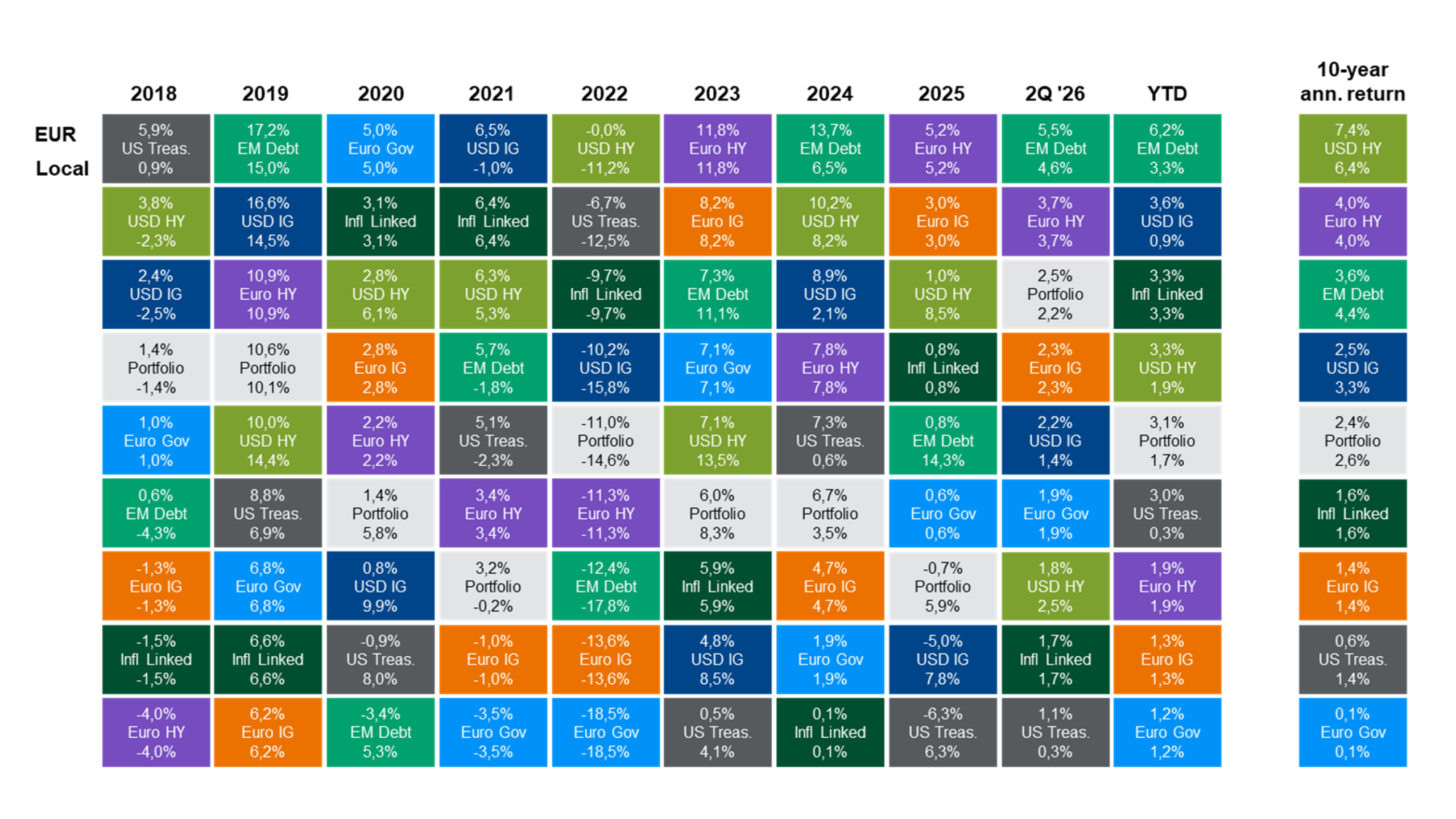
Pasaran bon mencatatkan prestasi yang lebih membina sepanjang S2 apabila inflasi yang sederhana dan keyakinan yang bertambah baik terhadap dasar monetari menyokong permintaan untuk aset pendapatan tetap. Hasil bon kerajaan secara amnya menurun sepanjang suku ini, menghasilkan pulangan keseluruhan positif di beberapa pasaran utama.
Bon hasil tinggi Eropah mencatatkan pulangan 3.7%, manakala hutang pasaran muncul meningkat 5.5%, menjadikannya antara segmen pendapatan tetap berprestasi terbaik. Kredit gred pelaburan AS juga menjana pulangan positif apabila spread kredit yang lebih ketat mencerminkan keyakinan pelabur yang bertambah baik dan lembaran imbangan korporat yang berdaya tahan. Pemulihan ini mengukuhkan peranan pendapatan tetap sebagai sumber pendapatan dan kepelbagaian portfolio selepas beberapa tahun yang tidak menentu bagi pelabur bon.
Spread kredit terus mengetat sepanjang suku ini apabila jangkaan kegagalan kekal rendah dan permintaan pelabur terhadap aset hasil tinggi semakin kukuh. Sentimen risiko yang bertambah baik menggalakkan pelabur bergerak lebih jauh dalam spektrum kredit, menyokong kedua-dua pasaran gred pelaburan dan hasil tinggi.
Kembalinya prestasi positif bon menandakan perubahan ketara selepas persekitaran mencabar yang dialami oleh pelabur pendapatan tetap sepanjang dua tahun sebelumnya.
Prestasi Pendapatan Tetap Global, S2 2026
Komoditi dan Mata Wang
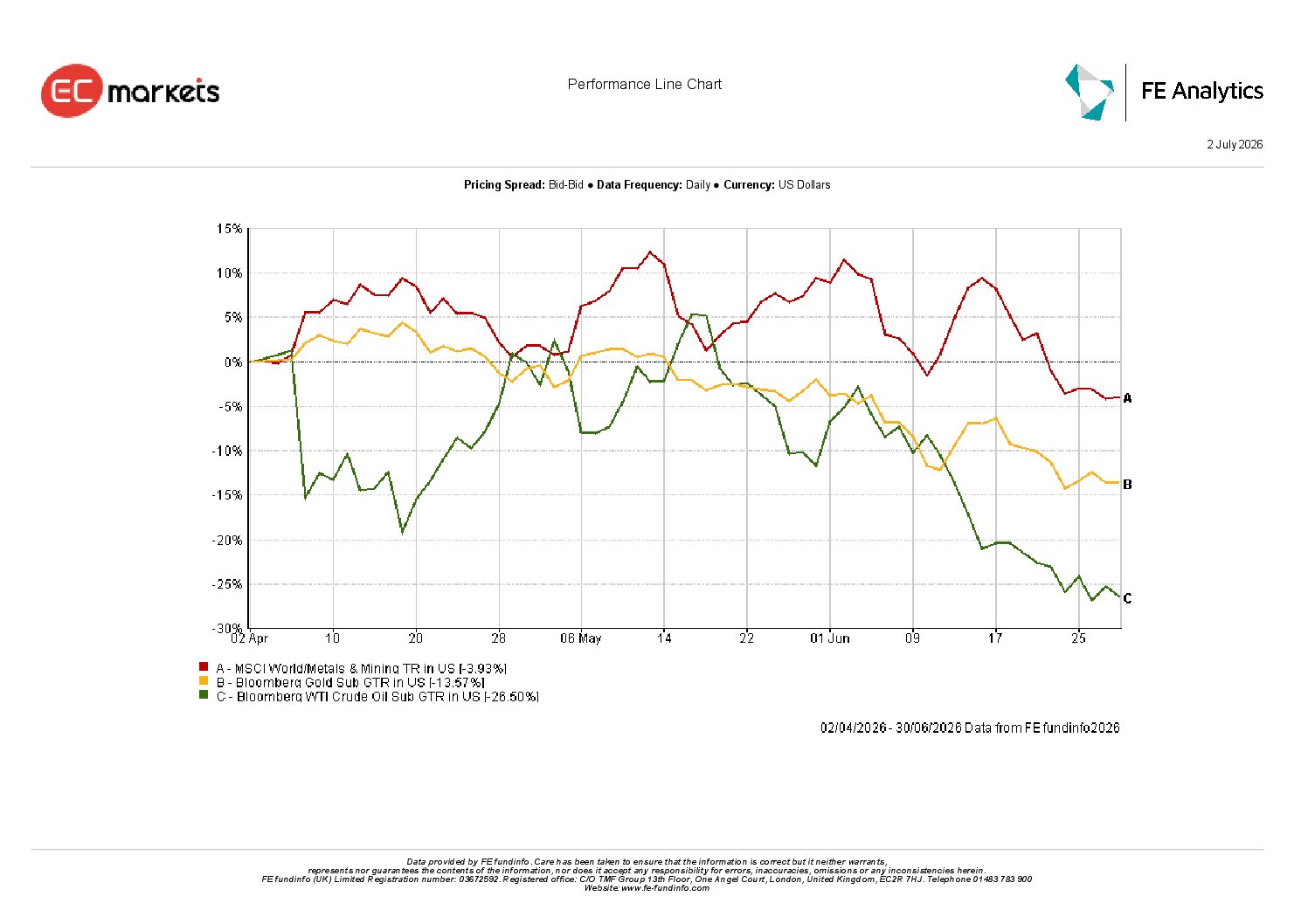
Pasaran komoditi mengalami pembalikan ketara berbanding suku sebelumnya.
Minyak
Harga minyak jatuh mendadak, dengan Bloomberg WTI Crude Oil merosot 26.50% apabila kebimbangan bekalan reda dan premium risiko geopolitik berkurangan. Penurunan harga tenaga turut menyumbang kepada jangkaan inflasi yang bertambah baik di peringkat global. Kejatuhan mendadak harga minyak ini berbeza dengan suku pertama, menggambarkan betapa pantas kepimpinan pasaran berputar sepanjang 2026.
Emas
Emas juga mengalami pembetulan, jatuh 13.57% apabila pelabur mengurangkan peruntukan kepada aset defensif demi ekuiti dan pelaburan berisiko lebih tinggi. Logam industri pula lebih berdaya tahan, disokong oleh pelaburan berterusan dalam infrastruktur teknologi walaupun pasaran tenaga lebih lembap.
FX
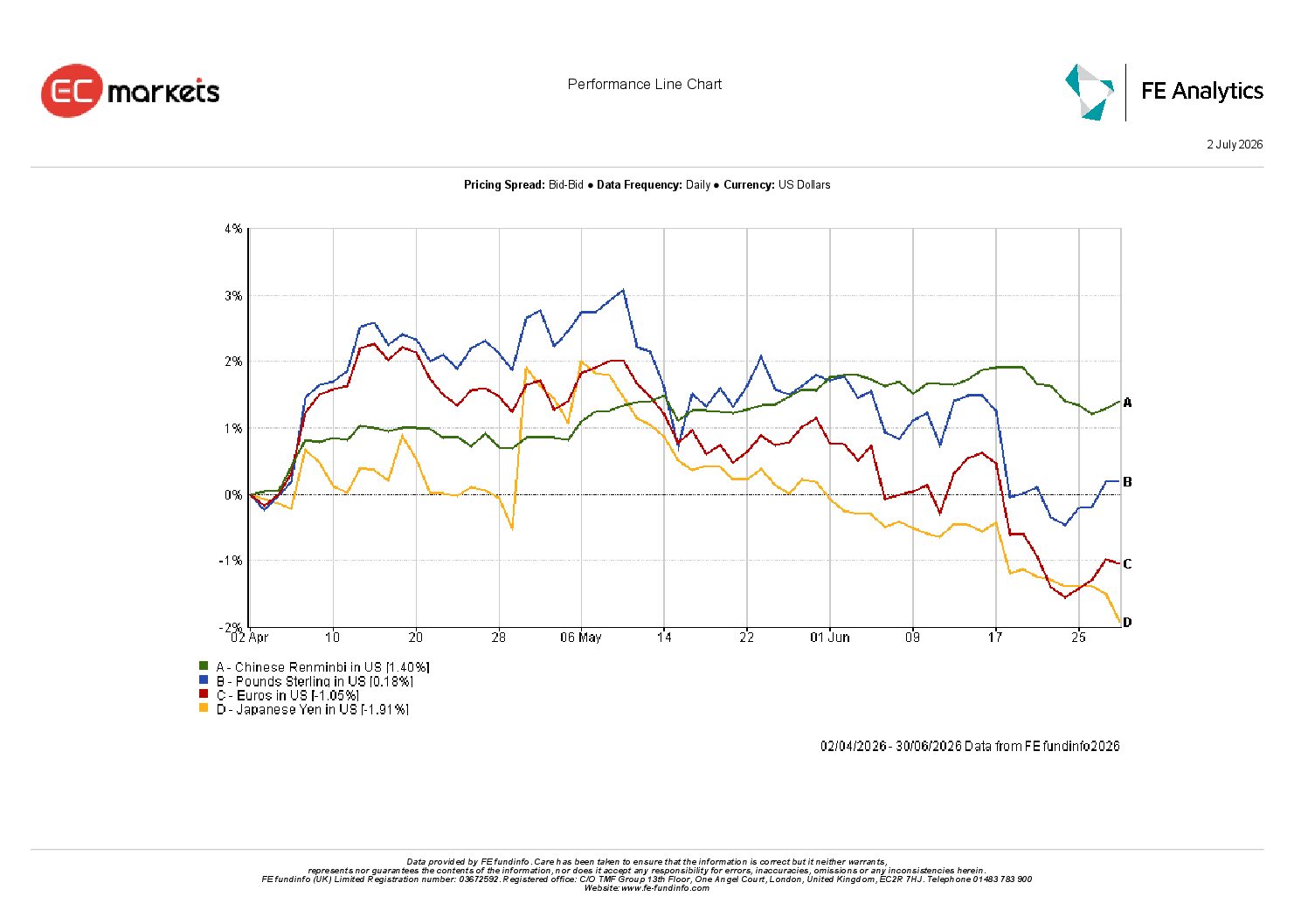
Pasaran mata wang kekal agak stabil. Renminbi China meningkat 1.40% berbanding dolar AS, manakala Sterling kekal hampir tidak berubah. Euro melemah sedikit, merosot 1.05%, dan Yen Jepun terus tertekan apabila perbezaan kadar faedah terus memihak kepada dolar AS. Secara keseluruhan, pergerakan mata wang adalah agak terkawal berbanding perubahan ketara yang dilihat dalam pasaran ekuiti dan komoditi.
Prestasi Pasaran Komoditi, S2 2026
Prestasi Mata Wang Utama, S2 2026
Tinjauan dan Penentuan Kedudukan
Ketika pasaran memasuki separuh kedua 2026, tumpuan pelabur dijangka kekal pada tiga tema utama: trajektori inflasi, masa dan kadar pelonggaran dasar bank pusat, serta kemampanan pendapatan korporat. Walaupun pertumbuhan ekonomi terbukti lebih berdaya tahan daripada jangkaan pada awal tahun, penilaian telah menjadi lebih tinggi selepas kenaikan kukuh, meningkatkan kepentingan pencapaian pendapatan pada suku-suku akan datang.
Peluasan pelaburan kecerdasan buatan yang berterusan dijangka kekal sebagai pemacu struktur yang kuat untuk pasaran ekuiti. Namun, kepimpinan mungkin mula meluas melebihi sektor teknologi sekiranya aktiviti ekonomi terus stabil dan keadaan pinjaman bertambah baik secara beransur-ansur. Sektor perindustrian, kewangan dan sektor kitaran terpilih boleh mendapat manfaat daripada keyakinan perniagaan yang bertambah baik, manakala pendapatan tetap mungkin terus menawarkan peluang pendapatan menarik apabila jangkaan kadar faedah berubah.
Mengekalkan portfolio yang pelbagai kekal penting. Rotasi mendadak yang berlaku antara S1 dan S2 menjadi peringatan bahawa kepimpinan pasaran boleh berubah dengan pantas apabila keadaan makroekonomi berubah. Pelabur harus kekal seimbang antara peluang pertumbuhan dan nilai sambil mengekalkan pendedahan kepada pendapatan tetap berkualiti tinggi, yang terus menawarkan hasil menarik dan kepelbagaian portfolio.
Walaupun risiko masih wujud, termasuk perkembangan geopolitik, ketidaktentuan dasar perdagangan dan potensi tekanan inflasi untuk muncul semula, latar belakang pelaburan yang lebih luas telah bertambah baik. Harga tenaga yang lebih rendah, asas korporat yang berdaya tahan dan jangkaan pelonggaran dasar monetari secara beransur-ansur menyediakan persekitaran yang membina untuk pelabur jangka panjang.
Kesimpulan
Suku kedua mengesahkan semula ketahanan pasaran kewangan global selepas permulaan tahun yang tidak menentu. Penurunan inflasi, harga tenaga yang semakin reda dan keyakinan baharu terhadap pendapatan korporat mewujudkan latar belakang yang lebih menyokong untuk pelabur, membolehkan aset berisiko pulih dengan kukuh selepas suku pertama yang mencabar. Teknologi sekali lagi muncul sebagai peneraju pasaran utama, pendapatan tetap kembali mendapat momentum, dan kejatuhan harga komoditi membantu meredakan tekanan inflasi di seluruh ekonomi utama.
Walaupun prestasi serantau dan sektor kekal tidak sekata, suku ini menunjukkan kepentingan mengekalkan pendekatan pelaburan yang berdisiplin dan pelbagai. Pasaran terus memberi ganjaran kepada syarikat dengan pendapatan kukuh, lembaran imbangan yang berdaya tahan dan pendedahan kepada tema pertumbuhan struktur jangka panjang, manakala bidang yang menghadapi halangan ekonomi berterusan terus ketinggalan.
Walaupun ketidaktentuan masih wujud, suku kedua menunjukkan betapa pantas sentimen pasaran boleh bertambah baik apabila inflasi sederhana, pendapatan korporat kekal berdaya tahan dan jangkaan dasar monetari menjadi lebih menyokong. Walaupun pelabur harus terus menjangkakan tempoh volatiliti, mengekalkan portfolio yang pelbagai dan memberi tumpuan kepada asas jangka panjang kekal cara paling berkesan untuk menavigasi keadaan pasaran yang berubah.
Soalan Lazim Tinjauan Pasaran Suku Kedua
Sumber
Ulasan pasaran suku tahunan ini menggunakan data pasaran dan ekonomi yang tersedia secara umum daripada institusi kewangan dan penyedia data yang diiktiraf, termasuk: